Building Block Therapy
A structured, play-based social communication program using collaborative building activities.
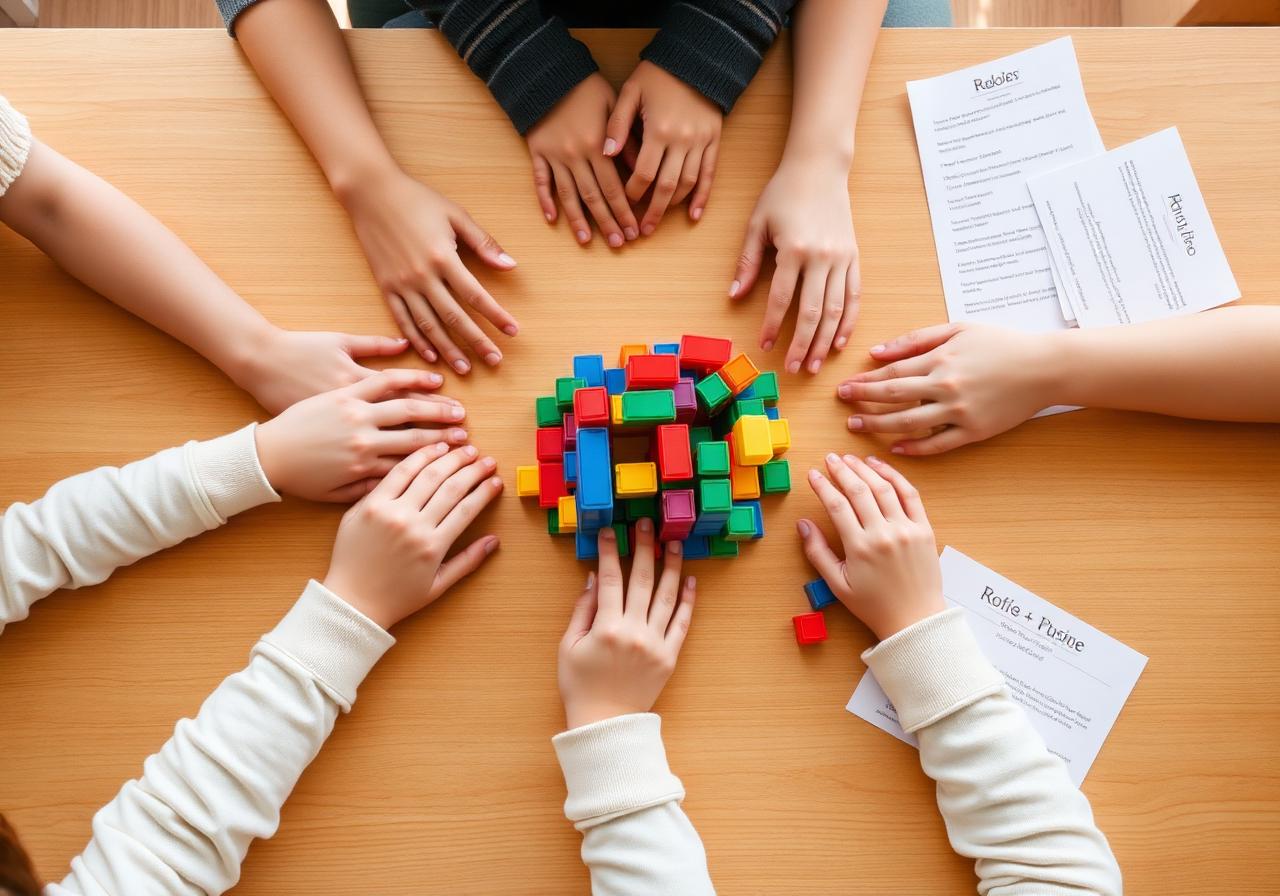
Building Block Therapy helps children practise social communication, cooperation and problem-solving through guided building activities. Instead of asking children to "just talk", the program gives them a shared goal: build something together.
Through structured roles, clear routines and supportive facilitation, children practise asking for help, giving instructions, waiting, turn-taking, listening, responding and working as part of a team.
A play-based approach
Inspired by structured collaborative building practice. Delivered with qualified early intervention professionals.
Why Building Blocks Work Well for Social Communication
Building activities provide clear rules, visual structure and shared goals. This makes them especially useful for children who enjoy predictable, hands-on activities but may find open-ended social situations challenging.
Clear Structure
Shared Goal
Natural Communication
Visible Outcome
A Structured Collaborative Building Model
Building Block Therapy uses small group activities where each child takes on a role. The roles are rotated so every child can practise different communication and cooperation skills.
Engineer
Looks at the instructions and explains what needs to be built.
Skills: Giving instructions, sequencing, describing and planning.
Supplier
Finds and provides the required pieces.
Skills: Listening, responding, categorising and joint attention.
Builder
Builds the model based on the instructions received.
Skills: Following directions, asking for clarification, fine motor coordination and teamwork.
Facilitator
Supports the group, maintains rules and encourages children to communicate with one another rather than solving every problem for them.
Skills: Guided social interaction, problem-solving and emotional regulation support.
Session in Action
A typical session follows a predictable sequence so children know what to expect.
Welcome & routine
Role assignment
Collaborative building
Guided communication
Reflection
Parent summary
How Building Block Therapy Works
A short walkthrough of a structured session in action.
Placeholder · Replace with real session footage
See a session in action
A short, consent-aware video showing how facilitators support communication between children through a shared building task.
Facilitator Resources
Role cards
Visual instructions
Observation checklist
Parent summary
Progress note
Skills the Program Supports
Who Building Block Therapy May Support
This program may be suitable for children who enjoy building activities and may benefit from structured support with social communication and peer interaction.
- Social communication
- Peer interaction
- Turn-taking
- Following group rules
- Asking for help
- Working with others
- Confidence in group activities
Delivered With Early Intervention Expertise
Building Block Therapy is designed to be delivered in collaboration with Solongo Early Intervention, a Melbourne-based early childhood intervention provider supporting children on the autism spectrum and children with developmental delays.
Solongo brings early intervention expertise, play-based practice, parent support and clinical understanding. DraxonTech contributes structured building activities, curriculum resources, facilitator materials, parent reporting and future digital resource systems.
Solongo Early Intervention provides
- Early intervention expertise
- ESDM and play-based practice experience
- Family-centred support
- Understanding of autism and developmental delays
- Professional guidance for group suitability and facilitation
DraxonTech provides
- Structured building activity framework
- Lesson plans and facilitator scripts
- Visual instructions and activity resources
- Parent summaries and progress reports
- Future digital resource hub and portfolio system
Program Format
Small Group Sessions
Role-Based Activities
Facilitator-Guided Interaction
Parent Feedback
Program options
- Introductory assessment / suitability discussion
- 6-week social communication group
- 8-week building and cooperation program
- School holiday social skills group
- Parent-supported home practice activities
- School or clinic-based group delivery
Evidence-Informed and Carefully Delivered
Building block-based social communication programs are inspired by LEGO-based therapy research and practice. Research suggests these structured collaborative building groups may support social engagement, initiation, cooperation, turn-taking and positive peer interaction for some children. However, the evidence should be interpreted carefully, and this program should be considered one part of a broader support plan.
Future Facilitator Resource Hub
Coming SoonDraxonTech will support the program with a structured facilitator resource system, including:
Interested in Building Block Therapy?
For families, schools, clinics or community organisations interested in structured play-based social communication groups, please contact DraxonTech to discuss collaboration with Solongo Early Intervention.
Session Showcase
Sample group builds and facilitator-guided activities from structured sessions.
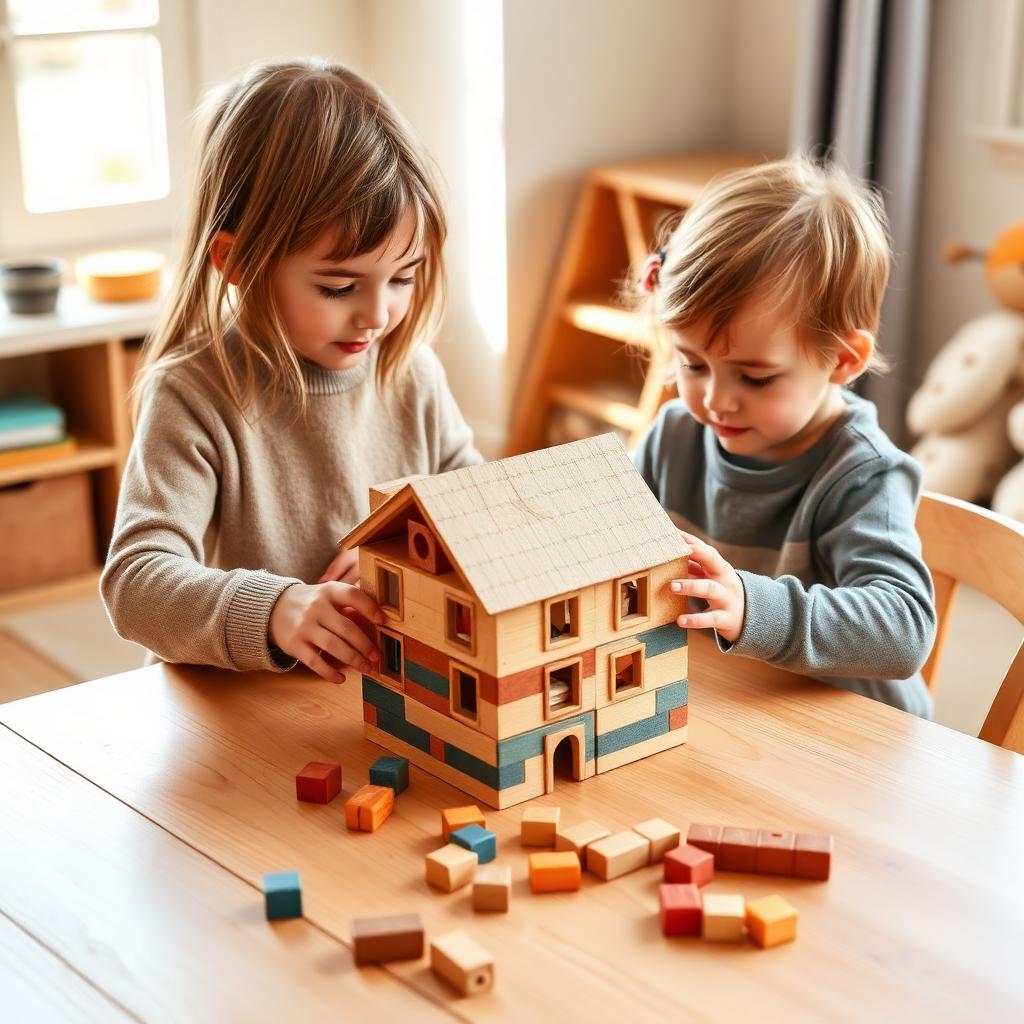 Group build
Collaborative house build
Engineer · Supplier · Builder
RolesRole rotation activity
Turn-taking · Listening
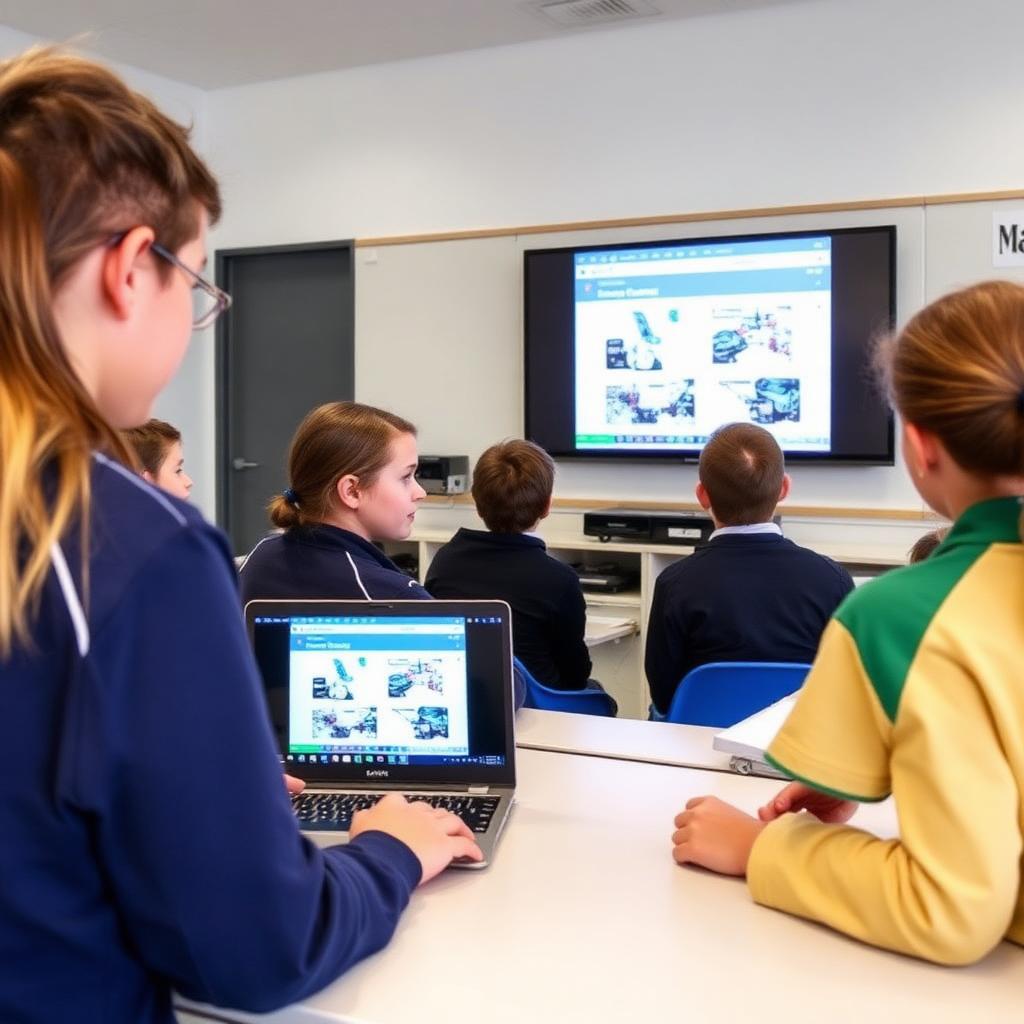 Outcome
Parent feedback summary
Visible progress